What probate is, how a probate home sale differs from a regular sale, and where heirs, court requirements, and as-is condition commonly complicate things.
Selling a loved one’s home during probate can feel overwhelming. In this video, Kristin from Driven2 Solutions explains the basics: what probate is, how a probate home sale differs from a regular sale, and the challenges families and attorneys run into most.
What probate is
Probate is the court process for settling a person’s estate after they die. In Virginia, it runs through the circuit court clerk’s office, usually in the city or county where the person lived. A person named as executor in a will has to qualify with the court before exercising an executor’s powers; before that, Virginia law allows them to arrange the burial, pay reasonable funeral expenses, and protect the estate from waste.
How a probate sale differs from a regular sale
- Authority: the seller is an executor, an administrator, or the heirs, and who can sign depends on the will and the estate.
- Condition: estate homes are often sold as-is, sometimes still full of belongings.
- Paperwork: title companies and buyers may ask for court documents showing who has authority.
- Timing: creditor rules and the estate’s own steps can affect when a sale should close.
Common challenges
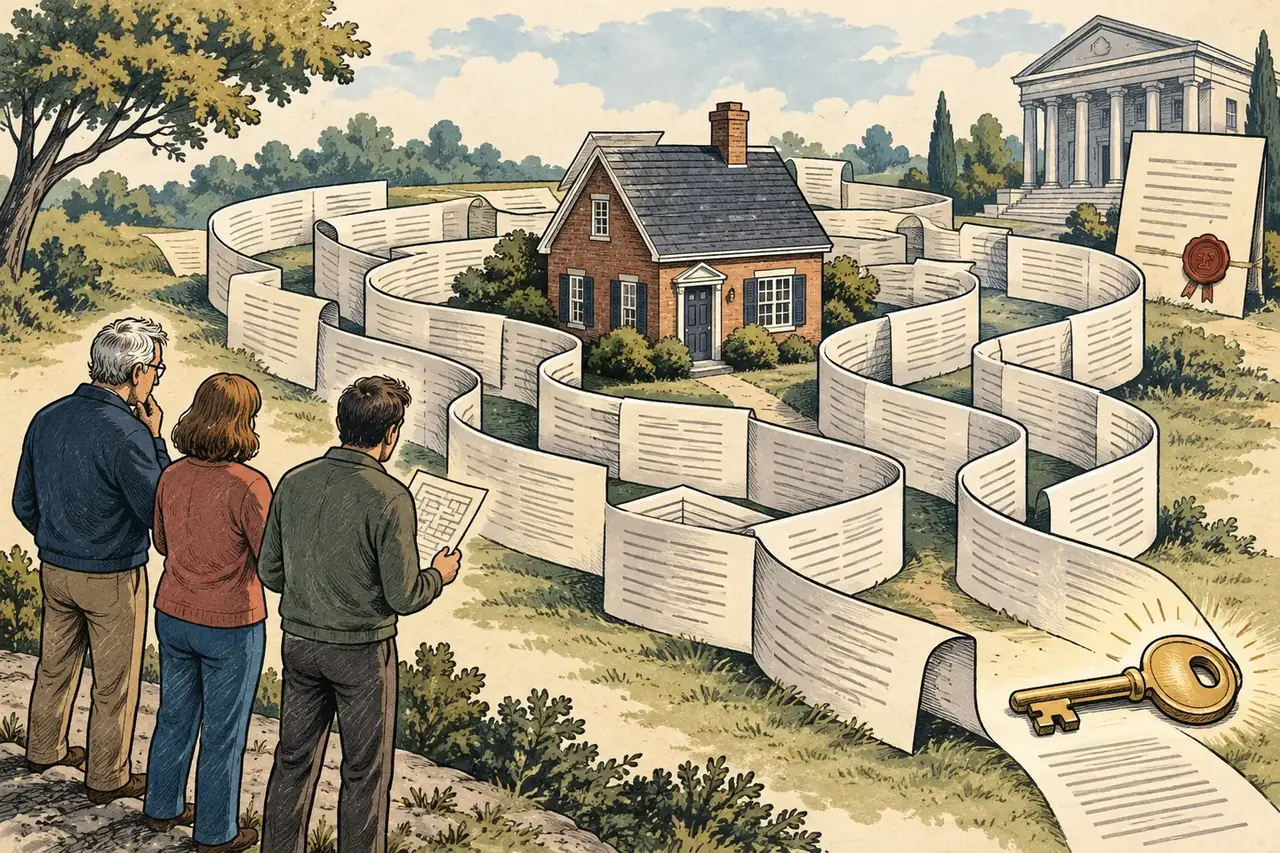
Heirs who disagree, heirs who live out of state, a vacant house that still needs care, and a property that needs repairs before it can be listed are the situations that slow probate sales down most. Some states require a court to approve a probate sale. Whether any court step applies in your Virginia estate depends on the will and the circumstances, so ask the estate’s attorney.
Where we help
We help executors and families with cleanouts, preparing the house, comparing a listing with an as-is sale (including a direct offer from Driven2 Solutions), and coordinating with the estate’s attorney. For a deeper look, see our article on what happens to a house during probate.